
Soundproofing Basics
Learn how to reduce noise with insulation, windows, and room layout adjustments.
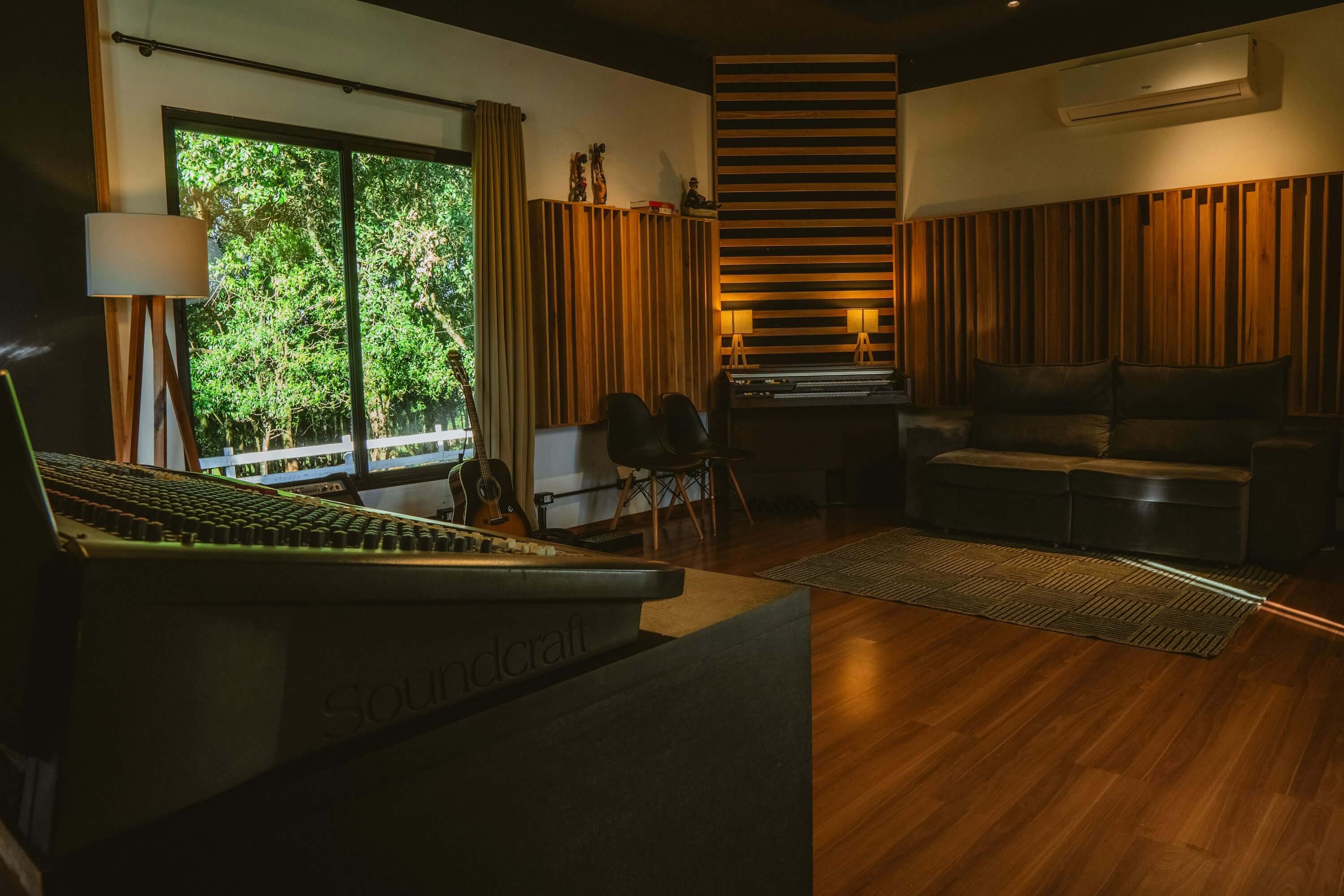
1. Start with Insulation
Sound moves through air and solid materials, so one of the best ways to reduce it is by adding mass and density between rooms.
- Wall insulation: Materials like mineral wool or acoustic fiberglass absorb sound vibrations before they pass through walls.
- Floor and ceiling insulation: Adding underlayment or soundproof mats beneath flooring helps reduce footstep and impact noise.
- Drywall upgrades: Installing double drywall with a damping compound such as Green Glue can greatly reduce airborne sound transmission.
2. Upgrade Your Windows
Windows are often the weakest link in sound control.
- Double or triple-pane windows trap air between glass layers, blocking exterior noise.
- Weatherstripping and seals prevent sound leaks through gaps around window frames.
- Acoustic window inserts (secondary glazing) can offer sound reduction without replacing your existing windows.
If full replacement isn’t an option, even adding heavy curtains or acoustic drapes can noticeably reduce echo and outside noise.
3. Adjust Room Layout and Furnishings
The way you arrange furniture can also influence how sound travels inside your home.
- Place bookshelves or wardrobes against shared walls to absorb and deflect noise.
- Use rugs and carpets to reduce echo and footsteps in hard-floored rooms.
- Add acoustic panels or fabric wall hangings to soften sound reflections in living areas.
These simple layout adjustments not only improve comfort but also enhance the acoustic quality of the room.
4. Focus on Sealing the Gaps
Even small gaps can leak a lot of sound. Check around outlets, vents, and door frames. Adding a door sweep or acoustic seal can block hallway noise.
Soundproofing works best when every path for sound is minimized, so treat gaps like “sound leaks” and seal them thoroughly.
5. Combine Methods for Best Results
No single fix will block all noise. Combining insulation, upgraded windows, sealed gaps, and soft interior surfaces provides the best overall improvement. Even modest changes can create a more peaceful and private home environment.
Effective soundproofing doesn’t always require a full renovation. Start with the easiest upgrades — sealing gaps, hanging heavier curtains, or rearranging furniture — and build from there. Over time, each small improvement adds up to a noticeably quieter home.